First-time buyers 5 min read
First-Time Home Buyer Ontario Guide: Land Transfer Tax Rebates in Toronto
First-time home buyer in Ontario or Toronto? See how the land transfer tax rebates work, who qualifies, what they save, and how to claim them at closing.

Nima Nojavan-KheiraddinReal Estate Sales Representative, B.Sc.
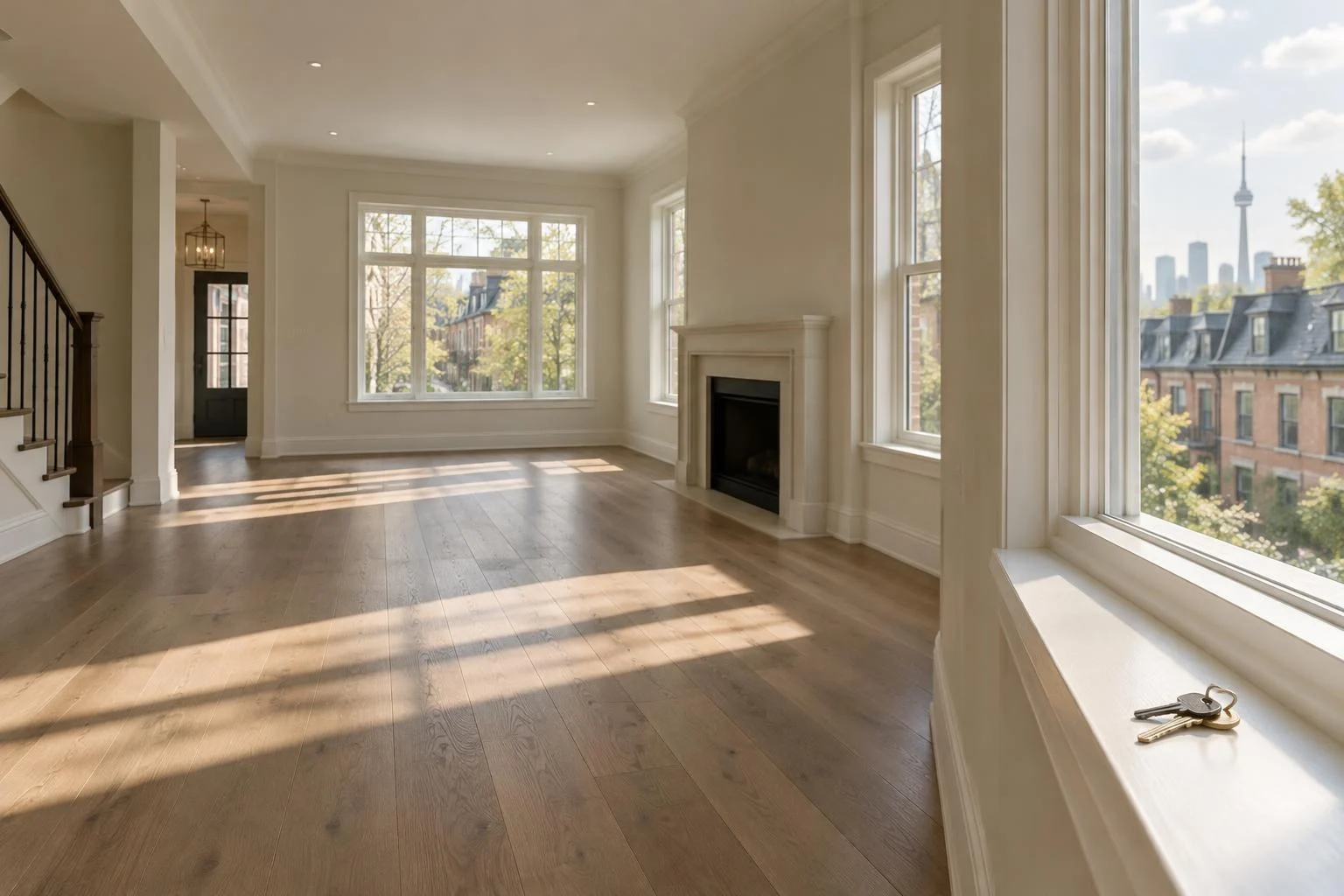
If you are a first-time home buyer in Ontario, one of the more useful savings available to you arrives at closing, not before. Ontario offers a land transfer tax rebate for eligible first-time buyers, and buying inside the City of Toronto adds a second, separate rebate. This guide explains how both work, who qualifies, what the savings look like in dollars, and how they are claimed.
What is the land transfer tax in Ontario?
Land transfer tax is a one-time tax paid when you buy property in Ontario. It is calculated on the purchase price using tiered rates, and it is due on closing day. It is separate from your down payment and is one of the largest closing costs.
Toronto is unusual. Buyers of property inside the city pay two taxes: the provincial land transfer tax and the City of Toronto municipal land transfer tax. Buyers in the rest of the GTA, including Mississauga, Vaughan and Markham, pay only the provincial tax. North York is part of the City of Toronto, so North York purchases carry both.
How the first-time buyer rebates work
Each tax has its own rebate, with its own maximum. Ontario's maximum refund is $4,000. Toronto's maximum municipal refund is $4,475.
On a lower-priced home, the Ontario rebate can erase the provincial tax entirely. Above that price, the rebate is a fixed dollar amount, so it covers a smaller share of the total.
Who qualifies as a first-time buyer in Ontario
The rules are specific. In general, you must:
- Be at least 18 years old.
- Be a Canadian citizen or permanent resident.
- Occupy the home as your principal residence within nine months of closing.
- Never have owned an interest in a home anywhere in the world, at any time.
- If you have a spouse, confirm that your spouse has not owned a home anywhere in the world while being your spouse.
That last point catches people out. The land transfer tax definition is stricter than the one used for federal programs. Someone who sold a property years ago may still qualify for federal programs but not for the rebate. Confirm your situation with your real estate lawyer before closing.
If you buy with a co-purchaser who is not a first-time buyer, the rebate may be reduced. Ask your lawyer how it applies to your ownership shares.
A worked example: a first home in Toronto
The table below is an example only, built from the published tiered rates for homes with one or two single-family residences. In this price range, Toronto's municipal rates match the provincial ones.
| Purchase price | Ontario tax | Toronto tax | Rebates (max) | Total paid after rebates |
|---|---|---|---|---|
| $400,000 | $4,475 | $4,475 | $8,475 | $475 |
| $700,000 | $10,475 | $10,475 | $8,475 | $12,475 |
| $900,000 | $14,475 | $14,475 | $8,475 | $20,475 |
On a $900,000 purchase, the combined tax is $28,950. The two rebates reduce it by $8,475, which leaves $20,475 to pay on closing day.
The takeaway is that the rebates help, but they do not make the tax disappear on most Toronto purchases. Budget for the remainder as cash on closing, separate from your down payment.
First-time buyer Toronto: using your savings well
Rebates reduce a closing cost. Two federal tools help you build the down payment itself.
FHSA Canada: the First Home Savings Account. The FHSA is a registered account for saving toward a first home. Contributions are tax-deductible, and qualifying withdrawals to buy a first home are tax-free. The annual contribution limit is $8,000, with a lifetime limit of $40,000, and some unused room can carry forward.
The Home Buyers' Plan. The Home Buyers' Plan (HBP) lets you withdraw from your RRSP to buy or build a qualifying home, without paying tax on the withdrawal. You then repay the amount over a set number of years. Up to CA$60,000, paid over 15 years maximum; minimum monthly payments of CA$333.33 per month for 15 years. You can pay in larger amounts to repay this sooner if you wish.
You can generally use the FHSA and the HBP for the same purchase. Their "first-time buyer" test differs from the land transfer tax rule. For these federal programs, the test looks at whether you lived in a home you owned in the current year or the previous four calendar years. Check your eligibility with your lender or an accountant.
How to claim the rebates
For most buyers, claiming is simple. Your real estate lawyer applies both rebates at closing, as part of registering the transfer. The rebates are deducted from the tax you owe, so you pay the reduced amount. You do not wait for a cheque.
To make that work:
- Tell your lawyer early that you are a first-time buyer.
- Provide the identification and declarations they request, including your history of home ownership.
- Plan to move in within nine months of closing.
- Review the statement of adjustments to confirm both rebates appear.
If a rebate is missed at closing, you may still be able to apply for a refund afterwards, but there are deadlines. We cover these elements well before the closing date so you will be covered with us! For non-clients: make sure to bring this up to your lawyer to make sure you are ahead of the incentives.
Why the numbers matter before you make an offer
I come to residential real estate from a commercial and investment background, so I look at the full cost of a purchase before the price. Land transfer tax, legal fees, title insurance and adjustments all affect how much cash you need. At nima.house, I help first-time buyers map those costs early, so there are no surprises on closing day.
Nima Nojavan-Kheiraddin, HomeLife/Cimerman Real Estate Ltd., Brokerage, can walk you through a closing-cost estimate for your target price range. Your lawyer and lender will confirm the details that apply to you.
Frequently Asked Questions
Can I get both the Ontario and Toronto land transfer tax rebates?
Yes, if you buy inside the City of Toronto and qualify under both sets of rules. Each rebate is claimed separately, usually by your lawyer at closing. Buyers outside Toronto only have access to the Ontario rebate.
Do I qualify if I owned property outside Canada?
Probably not. The Ontario rebate requires that you have never owned an interest in a home anywhere in the world. Speak with your real estate lawyer about your specific history before relying on the rebate.
Can I use my FHSA and the Home Buyers' Plan together?
Generally, yes. Both can be used toward the same first home, if you meet each program's conditions. Confirm your eligibility and the current rules with your lender, accountant or the Canada Revenue Agency.
